Imagine this: You wake up at two in the morning with excruciating chest pain that travels down your left arm. Or perhaps you’re witnessing your child gasp for air after inadvertently consuming an allergen. Terrifying, huh?
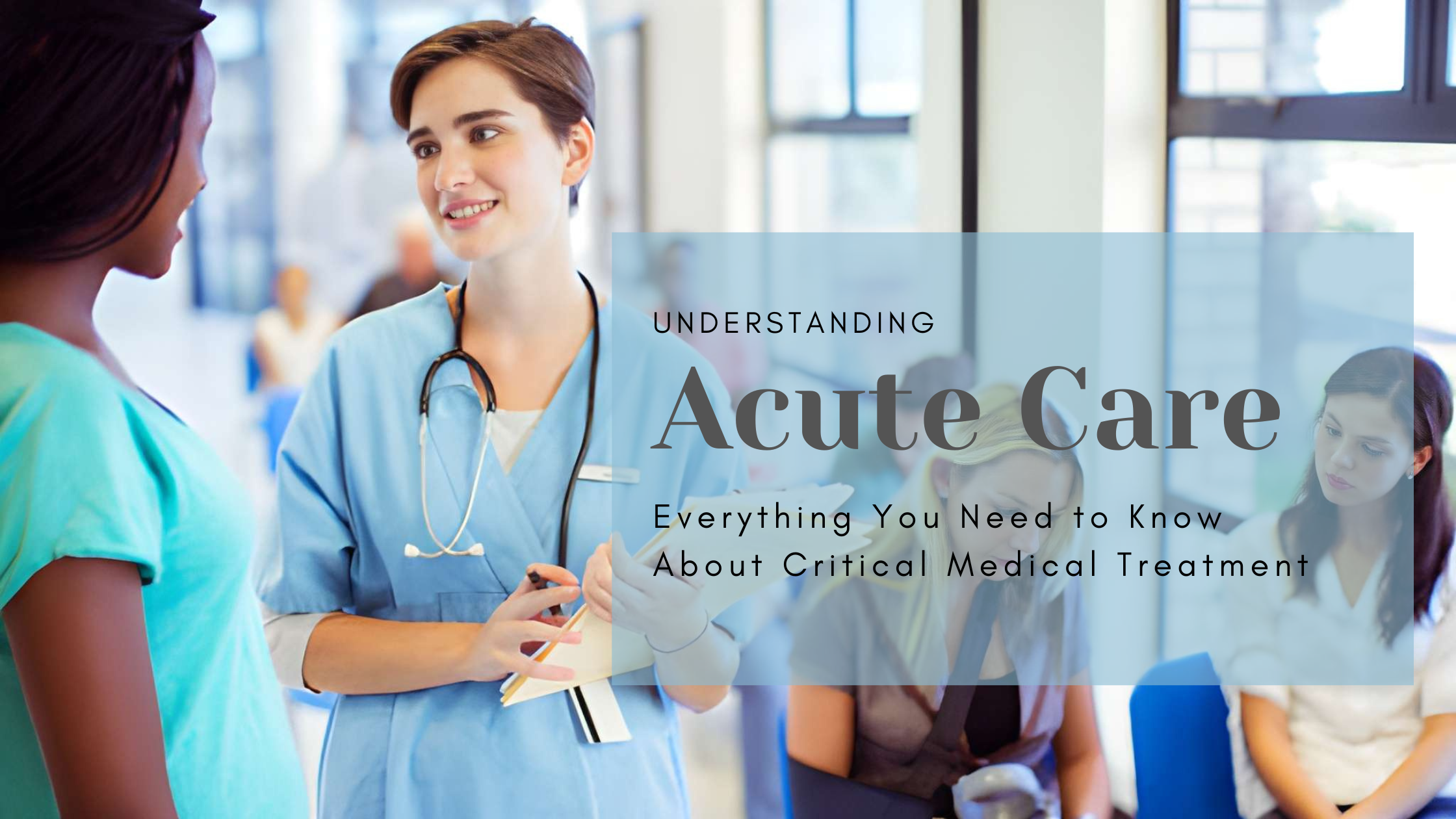
Acute care becomes your lifeline during these times, when urgency and panic collide. I’ve witnessed innumerable families enter hospitals in a state of crisis, not knowing what to do or where to go. I’m writing this for that reason. Because knowing acute care is more than just medical jargon; it’s information that could save your life or the life of a loved one. We’ll explain what acute care is, when it’s needed, where to find it, and how medical teams respond in a matter of seconds.
What is Acute Care?
The deal is as follows: Medical treatment for severe, urgent, or life-threatening conditions that cannot wait is known as acute care. We are referring to circumstances in which your body is in immediate danger, such as a heart attack, a serious injury, or an unexpected illness that is rapidly getting worse.
Acute care is all about speed, unlike your yearly check-up or long-term diabetes management. The objectives? Keep you steady. Prevent the situation from getting worse. Determine the issue. Make it right. Quick.
Who provides this care? Respiratory therapists keep people breathing, emergency nurses who have literally seen it all, trauma surgeons working at three in the morning, emergency physicians making snap decisions, critical care physicians managing the sickest patients, and specialists on call for any unexpected situation that may arise.
The intensity and timing of acute care are what set it apart from standard medical care. Weekly appointment scheduling and ongoing care are handled by your family physician. Teams for acute care? They are designed to handle emergencies. While everyone else flees, they are the ones who rush toward the emergency.
Understanding “Acute” in Medical Terms
When medical professionals refer to something as “acute,” they mean that it occurred recently and unexpectedly. Consider minutes, hours, or even a few days. Not years or months.
The opposite is “chronic”—conditions that develop slowly and stick around. Your grandfather’s arthritis that’s bothered him for decades? Chronic. The heart attack he had last Tuesday? Acute.
Here’s where it gets interesting though. Someone can have a chronic condition that suddenly gets way worse. My colleague has chronic asthma—she manages it daily with inhalers and it’s usually fine. But when she gets exposed to heavy smoke or certain chemicals, she can have an acute asthma attack that lands her in the ER within an hour.
The timeline matters because it determines urgency. Acute = immediate action needed. Chronic = ongoing management and regular follow-ups. Understanding this difference helps you know when to call 911 versus scheduling an appointment with your doctor next week.
Acute Illness: Types and Examples
An acute illness hits you out of nowhere, symptoms come on strong, and you need medical help now.
Let’s get specific about what we’re talking about:
Heart attacks happen when blood flow to your heart gets blocked. The classic symptom is chest pressure—people often describe it as an elephant sitting on their chest. Strokes cut off blood to your brain, and you might notice sudden facial drooping, arm weakness, or slurred speech (remember FAST: Face, Arms, Speech, Time to call 911).
Severe infections like sepsis or pneumonia can turn deadly within hours if bacteria overwhelm your system. Traumatic injuries—car accidents, bad falls, workplace incidents—often need emergency surgery and intensive monitoring.
Then there’s acute appendicitis. Your appendix decides to throw a fit and needs to come out before it ruptures. Severe asthma attacks where your airways constrict so much you literally can’t catch your breath. Anaphylaxis—those terrifying allergic reactions where your throat starts closing up within minutes of exposure to peanuts, bee stings, or medications.
Other acute conditions I’ve seen? Acute kidney failure, diabetic emergencies where blood sugar crashes dangerously low or spikes into the stratosphere, severe burns, poisonings.
Warning signs that mean “get help NOW”:
- Chest pain or pressure that doesn’t go away
- Can’t breathe or catching your breath is a struggle
- Sudden, severe headache (especially if it’s the worst headache of your life)
- Confusion or loss of consciousness
- Bleeding that won’t stop
- Stroke symptoms—face drooping, can’t lift both arms, speech is garbled
- Severe stomach pain
- High fever with a stiff neck
- Allergic reaction with swelling or breathing problems
Don’t play the “wait and see” game with these symptoms. I mean it. Call 911 or get to an emergency department. It’s always better to feel a little embarrassed because it turned out to be nothing than to delay and end up with permanent damage—or worse.
The triage nurse at the front desk assesses everyone who walks in and prioritizes based on severity. Guy having a heart attack? He goes straight back. Kid with a sprained ankle? He’s waiting a bit. If you’re genuinely unsure whether your symptoms are life-threatening, the ED is always the safer bet.
Intensive Care Units (ICUs) are where the sickest of the sick end up. These are hospital units with the most advanced monitoring equipment, ventilators, dialysis machines, and nurses who watch maybe one or two patients at a time instead of five or six. You usually get admitted to the ICU from the emergency department or after major surgery when doctors know you’ll need extremely close observation.
Urgent Care Centers fill that middle ground—they’re for “I need medical attention today but I’m probably not dying” situations. Moderate cuts that need stitches, possible broken fingers, ear infections, urinary tract infections, minor burns, sprains. They’ve got extended hours, you don’t need an appointment, and they’re way cheaper than the ER. But here’s the thing: they’re not equipped for true emergencies. Chest pain? Go to the ER, not urgent care.
Trauma Centers are specialized facilities specifically set up for severe injuries. They’re designated at different levels—Level I trauma centers have everything including neurosurgeons and specialized pediatric care, while Level III centers handle initial stabilization before transferring really complex cases. If you’re in a serious car accident, paramedics will bypass closer hospitals to get you to a trauma center.
Acute Care Hospitals are full-service facilities where you get admitted after the initial emergency stabilization. They provide inpatient care for patients who need days or weeks of treatment and monitoring but don’t need ICU-level intensity anymore.
How to choose? Life-threatening emergency or you’re genuinely scared? Emergency department, no question. Urgent issue during off-hours but you’re pretty sure you’re not in danger? Urgent care might work. When you’re unsure, err on the side of caution and go to the ED. Medical professionals can always downgrade urgency, but we can’t turn back time if you wait too long.
The Acute Care Team
Saving lives during acute emergencies takes a whole team working in sync, each person bringing specific expertise to your crisis.
Emergency physicians are the quarterbacks of the emergency department. They’re making rapid-fire decisions—order this test, start that medication, call in the cardiologist, prep for surgery. These doctors train specifically in emergency medicine and get really good at staying calm when everything’s chaotic.
Nurses and nurse practitioners are honestly the backbone of acute care. They’re at your bedside constantly, administering medications, monitoring your vitals, coordinating between different doctors, and catching subtle changes in your condition before they become big problems. A good ER nurse has seen thousands of emergencies and can spot trouble brewing before most people realize anything’s wrong.
Depending on what’s happening, you might meet various specialists: cardiologists for heart problems, neurologists for strokes or seizures, surgeons for injuries or conditions needing operations, pulmonologists for severe breathing issues.
Behind the scenes, lab technicians are running urgent blood tests, radiologic technologists are performing emergency CT scans and X-rays, respiratory therapists are managing ventilators and helping patients breathe, and pharmacists are making sure drug doses are correct and checking for dangerous interactions.
Administrative staff keep everything flowing, and social workers help arrange follow-up care and address non-medical needs like transportation or housing that could affect your recovery.
This coordinated approach means everyone’s communicating constantly, adjusting your treatment plan as your condition evolves. It’s organized chaos that somehow works.
Conclusion
Look, I hope you never need acute care. But if you do, knowing what it is and where to find it can make those terrifying moments a little less overwhelming.
The bottom line? Acute care exists for urgent, serious conditions that require immediate attention—not your regular doctor stuff, not chronic disease management. When you’re facing sudden, severe symptoms or a medical emergency, don’t second-guess yourself. Call 911. Go to the nearest emergency department. For less critical but still urgent issues, urgent care works.
Keep emergency numbers saved in your phone. Know where your nearest hospital is. Trust your gut when something feels seriously wrong—your instincts are usually right.
Being prepared isn’t paranoid. It’s smart. And when every second counts, that knowledge might just save a life.
At Triangle Primary Care, we’re committed to helping you understand all aspects of your healthcare—from preventive care and chronic disease management to knowing when acute care is necessary. While we provide comprehensive primary care services for your everyday health needs, we also believe in educating our patients about emergency situations and when immediate medical attention is critical. For more information about our full range of healthcare services, including preventive care, chronic disease management, wellness programs, and patient education, visit our services page. Your health and safety are always our top priority.
At Triangle primary careas we’re committed to providing you with the knowledge and resources you need to make informed healthcare decisions. Our team of experienced healthcare professionals understands the critical importance of timely, quality medical care. For more information about our comprehensive healthcare services, including emergency care guidance, patient education, and specialized treatment options, visit our Services Page. We’re here to support you and your loved ones through every healthcare journey, ensuring you have access to the care you need when you need it most.