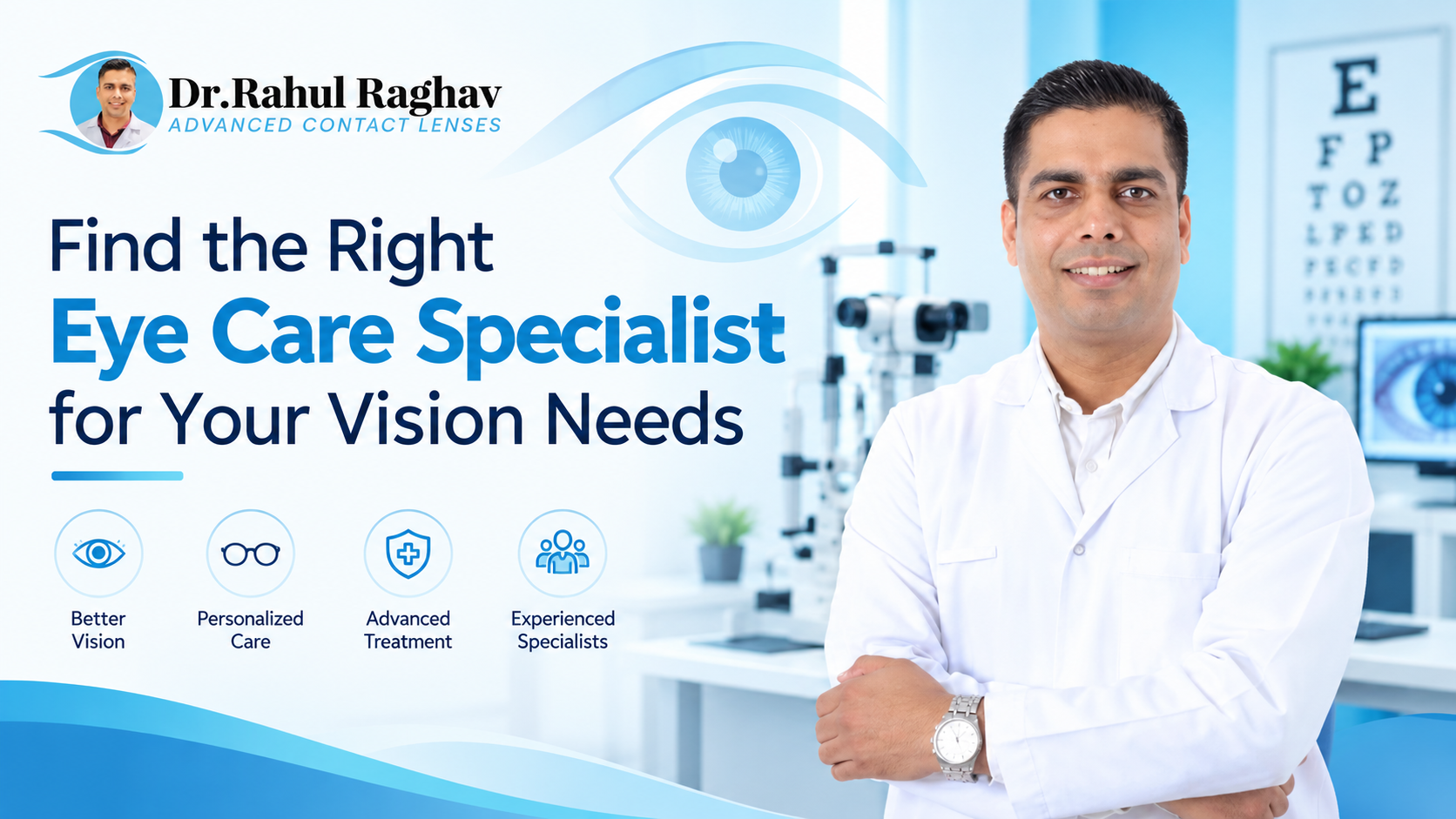
Learn how to choose the right eye care specialist for routine eye exams, vision concerns, and specialized treatment. Find care that matches personalized vision needs.
Good vision is important for work, learning, driving, reading, and enjoying everyday activities. When a person notices changes in vision or develops an eye problem, finding the right eye care specialist is an important first step.
However, choosing an eye specialist could sometimes be confusing. Terms such as optometrist, ophthalmologist, and eye doctor are used, but each professional has different training and responsibilities. Understanding these differences could help patients choose the right care for their needs.
What Does an Eye Care Specialist Do?
An eye care specialist is a trained professional who provides services related to vision and eye health. This depends on the healthcare qualifications, training, and local scope of practice; services would include vision examinations, corrective lens prescriptions, diagnosis and management of certain eye conditions, and specialized medical or surgical care.
The term eye care professional is used broadly because several types of healthcare could be involved in eye care. Their roles are not identical, so patients should consider their specific concern when selecting an eye specialist. For example, someone who needs a routine eye examination would have different needs from someone with a complex eye condition or a problem that could need surgery.
Optometrist vs Ophthalmologist: What Is the Difference?
Two common types of eye care specialists are optometrists and ophthalmologists. Although both focus on vision and eye health, their education, training, and scope of practice differ.
What Does an Optometrist Do?
An optometrist is pretty highly trained to check vision and really get a grasp on eye health. Optometrists could do eye examinations, prescribe spectacles and contact lenses, and diagnose or manage a few eye conditions, within what local rules. So an optometrist could be a good starting point for routine checkups, changes in eyesight, needing new glasses or contact lens prescriptions, and some common eye concerns that show up now and then. The exact services available could vary and depend upon local laws, professional training, and even the specific practice you go to.
What Does an Ophthalmologist Do?
An ophthalmologist is a medical doctor who focuses on eye and vision care. They could diagnose and treat a lot of eye conditions, and also give medical as well as surgical care when it’s truly needed or the timing is right.
In general, an ophthalmologist would be recommended if someone has a complex eye issue, and also if specialized treatment is needed, or if there’s eye surgery on the table. Sometimes, a patient would get care from both an optometrist and an ophthalmologist, depending on the situation. If you are not sure who to contact first, the clinic could usually help, so you understand what makes sense as the starting point based on your symptoms
When Should Someone See an Eye Care Professional?
A person does not always need to wait until vision becomes blurry before arranging an eye examination. Some eye conditions would develop without obvious symptoms in the early stages.
An eye care professional would suggest an examination when a person experiences:
- Blurred vision
- Difficulty in focusing
- Continuous eye discomfort, redness, or irritation
- Dry or uncomfortable eyes
- Difficulty seeing at night
- Frequent headaches connected with visual tasks
- Changes in vision that affect daily activities
- Problems with an existing glasses or contact lens prescription
- A health condition that could affect eye health
- A known eye condition that needs monitoring
The recommended frequency of eye examinations varies according to age, health, symptoms, family history, and risk factors. A qualified expert could suggest the right examination to schedule.
When Is Urgent Eye Care Needed?
Some eye symptoms really need medical attention instead of just a routine appointment. If vision suddenly goes away, or there is eye pain, or there’s a serious eye injury, or your vision changes a lot, all of that could point to something urgent that should be checked right away.
If you have any of these symptoms please try to get urgent medical help or reach out to a right eye care healthcare as soon as possible, without waiting around.
How to Choose an Eye Doctor
Choosing an eye doctor involves more than selecting the nearest clinic. Several factors could help patients find healthcare that matches their needs.
Check qualifications: Patients should confirm that the provider is properly licensed and qualified for the services required.
Match the provider to the concern: Routine vision care would be handled by an optometrist, while some complex medical or surgical conditions would need an ophthalmologist.
Consider costs and insurance: Patients could ask if the clinic accepts their insurance and whether additional fees would apply.
Check location and availability: A convenient location, suitable office hours, appointment availability, transportation, and accessibility could make ongoing care easier.
Consider communication: A good healthcare should explain findings clearly, answer questions, and help patients understand their care options.
Read reviews carefully: Patient reviews would give useful information about the clinic experience, but reviews should not replace checking professional qualifications and services.
Searching for an Eye Care Specialist Near Me?
An online search for an eye care specialist near me could help patients find nearby clinics. However, distance should not be the only consideration.
Before booking an appointment, patients could check the clinic’s website to learn which healthcare works there, what services are available,if the clinic treats the specific concern, and whether new patients are accepted.
Patients could also call the clinic if they are uncertain whether an optometrist or ophthalmologist would be more right.
Before an appointment, it could help to note when symptoms began, whether they affect one or both eyes, and if anything makes them better or worse. Patients should also bring their current glasses or contact lenses and give relevant medication and health information.
Make Vision Care a Priority
Finding the right eye doctor could make it way easier for patients to get suitable vision and eye care, at least in a realistic sense. In the end, the best specialist really depends on the person’s symptoms, their health history, and what kind of treatment is actually needed.
For routine eye care, people usually start with an optometrist, but when it turns into more specialized medical or surgical issues, you want an ophthalmologist instead. If symptoms show up suddenly or severe, then an urgent medical checkup would be necessary, without delaying it too much.
If patients look at qualifications, available services, location, and day-to-day access, plus their own individual needs, they could decide more carefully on which eye care specialist to use and how to protect long-term vision over time
Frequently Asked Questions
What is the difference between an optometrist and an ophthalmologist?
An optometrist gives vision and eye health examinations and could prescribe corrective lenses and manage certain eye conditions, depending on local regulations. An ophthalmologist is a medical doctor who could give comprehensive medical and surgical eye care.
How can someone find the right eye specialist?
Finding the right eye specialist starts with identifying the type of care needed. Patients could then compare qualifications, services, location, availability, insurance coverage, and communication style.
Meta Description:- Finding an eye specialist? Discover the differences between eye specialists and how to choose the right one for routine or specialized care.