
You’ve had a headache for three days. You blamed stress, maybe dehydration. You told yourself it would pass.
But what if your body is trying to tell you something more serious?
Most of us are pretty good at brushing off symptoms — until we can’t anymore. The truth is, your nervous system is constantly sending signals. And some of those signals deserve more than a wait-and-see approach.
Neurologists specialize in diagnosing and treating conditions affecting the brain, spinal cord, and entire nervous system. From nerve pain to migraines to memory issues — this is their world. And getting to one sooner rather than later? It can genuinely change outcomes.
Here are 5 warning signs that it’s time to stop Googling and start talking to a specialist.
When a Symptom Becomes a Signal
There’s a difference between seeing your primary care doctor and seeing a neurologist. Your GP is your first line of defense — great for most health concerns. But neurological symptoms are a different animal. They often indicate something deeper going on with the nervous system, and specialized neurology care is built to catch it early.
Here’s the problem: most people wait. They minimize, delay, hope it goes away. And sometimes that waiting comes with a real cost — whether that’s a condition progressing further than it needed to, or a diagnosis arriving later than it could have.
Neurological symptoms are the body’s way of communicating that something is wrong. Caught early, many of these conditions can be managed, slowed, or even treated effectively.
So here are the 5 signs you should never ignore.
Sign #1 — Persistent or Unusually Severe Headaches
We all get headaches. But not all headaches are created equal.
The kind that comes with dehydration, a long day, or too much screen time? That’s one thing. The kind that arrives like a thunderclap — sudden, severe, unlike anything you’ve felt before — that’s a red flag.
Watch out for:
- A sudden-onset headache that hits its peak within seconds (often called a “thunderclap” headache)
- Headaches paired with vision changes, nausea, or vomiting
- A dramatic shift in the pattern, frequency, or severity of your headaches
- Morning headaches that wake you from sleep
These may point to conditions like migraines, increased intracranial pressure, or in serious cases, bleeding in the brain.
If you’re looking into drugs for migraine headaches or trying to manage recurring severe headaches on your own — that’s a sign you’ve been dealing with this too long without professional support. A neurologist can properly diagnose what’s driving your headaches and recommend evidence-based treatments, including the latest treatment options for migraine management.
When to act: If it’s the worst headache of your life — go to the ER. Don’t wait for a scheduled appointment.
Sign #2 — Unexplained Numbness, Tingling, or Nerve Pain
Tingling in your fingers after sleeping on your arm? Normal. Persistent numbness on one side of your body that shows up out of nowhere? Not normal.
One-sided numbness or weakness is one of the most significant stroke warning signs there is. But beyond stroke, unexplained tingling and nerve pain can signal a range of neurological conditions — including multiple sclerosis (MS), peripheral neuropathy, or nerve compression disorders like carpal tunnel syndrome.
If you’ve been searching for a nerve pain doctor and haven’t found answers yet, it may be time to escalate to neurology. Persistent numbness or tingling can represent serious nerve damage that gets worse without proper diagnosis and care.
Numbness or weakness that comes on suddenly or affects one side of the body warrants prompt evaluation — especially if it’s accompanied by other neurological symptoms.
When to act: Sudden one-sided numbness or weakness — call 911 immediately. Persistent or recurring nerve pain — schedule a neurology appointment soon.
Sign #3 — Memory Loss or Cognitive Decline That Disrupts Daily Life
We all have moments of forgetfulness. Walking into a room and forgetting why, blanking on a name — that’s just being human.
But there’s a line. And when memory issues start interfering with your ability to work, manage your home, or handle daily responsibilities, that line has been crossed.
Signs to take seriously:
- Forgetting recent conversations or events — not just names
- Mixing up words or struggling to find the right ones
- Confusion about time, place, or familiar people
- Noticeable personality or mood changes that others have commented on
These kinds of changes can be early indicators of Alzheimer’s disease, other forms of dementia, brain tumors, or even treatable conditions like thyroid dysfunction.
Early intervention is everything here. The earlier cognitive decline is caught, the more options are available — both for slowing progression and for improving quality of life.
When to act: If changes are progressive or sudden — don’t wait. Schedule a neurology evaluation soon.
Sign #4 — Seizures or Unexplained Loss of Consciousness
A seizure, even a single one, is never something to dismiss.
People often imagine seizures as dramatic, full-body convulsions. But they can be subtle — a brief moment of “blanking out,” an episode of uncontrolled movement in one limb, a strong feeling of déjà vu, or a sudden loss of awareness.
Any unexplained loss of consciousness also falls into this category.
A single seizure episode can be a key indicator of epilepsy or another neurological disorder. Conditions linked to seizures include epilepsy, brain lesions, metabolic disorders, and — occasionally — structural issues in the brain that need imaging to detect.
The good news? Epilepsy and seizure disorders are among the most treatable neurological conditions when properly diagnosed. A neurologist — or in children’s cases, a pediatric neurologist — can run the right tests and build an appropriate treatment plan.
When to act: Any seizure episode warrants a neurology visit. Don’t wait to see if “it happens again.”
Sign #5 — Balance Problems, Dizziness, or Coordination Issues
Feeling dizzy when you stand up too fast is usually nothing. Experiencing frequent vertigo, balance problems, or coordination difficulties? That deserves a closer look.
Neurological causes of dizziness and balance issues are distinct from inner ear problems. Where inner ear vertigo tends to resolve relatively quickly, neurological dizziness often persists or worsens — and may be accompanied by other symptoms like difficulty walking, tremors, or muscle stiffness.
Difficulty keeping your balance, shuffling feet, tremors, and unintentional jerks can all be signs of a nervous system problem. These symptoms are associated with conditions like Parkinson’s disease, MS, cerebellar disorders, or stroke — conditions that require expert neurology care.
One thing worth saying clearly: these symptoms are sometimes written off as “just getting older.” They’re not. Worsening balance and coordination issues deserve a proper diagnosis at any age.
And for children showing coordination problems or developmental delays, a pediatric neurologist is the right specialist to see.
When to act: Recurring or worsening dizziness, balance, or coordination problems — don’t dismiss them. Schedule an evaluation.
What Happens at Your First Neurology Appointment?
If any of the above sounds familiar, we understand there can be anxiety around seeing a specialist. So here’s what you can actually expect.
A neurologist will review your medical history in detail — your symptoms, how long they’ve been present, any relevant family history. They’ll conduct a physical and neurological exam that tests reflexes, coordination, balance, and muscle strength.
Depending on what they find, they may order diagnostic tests like:
- EEG (for seizure activity)
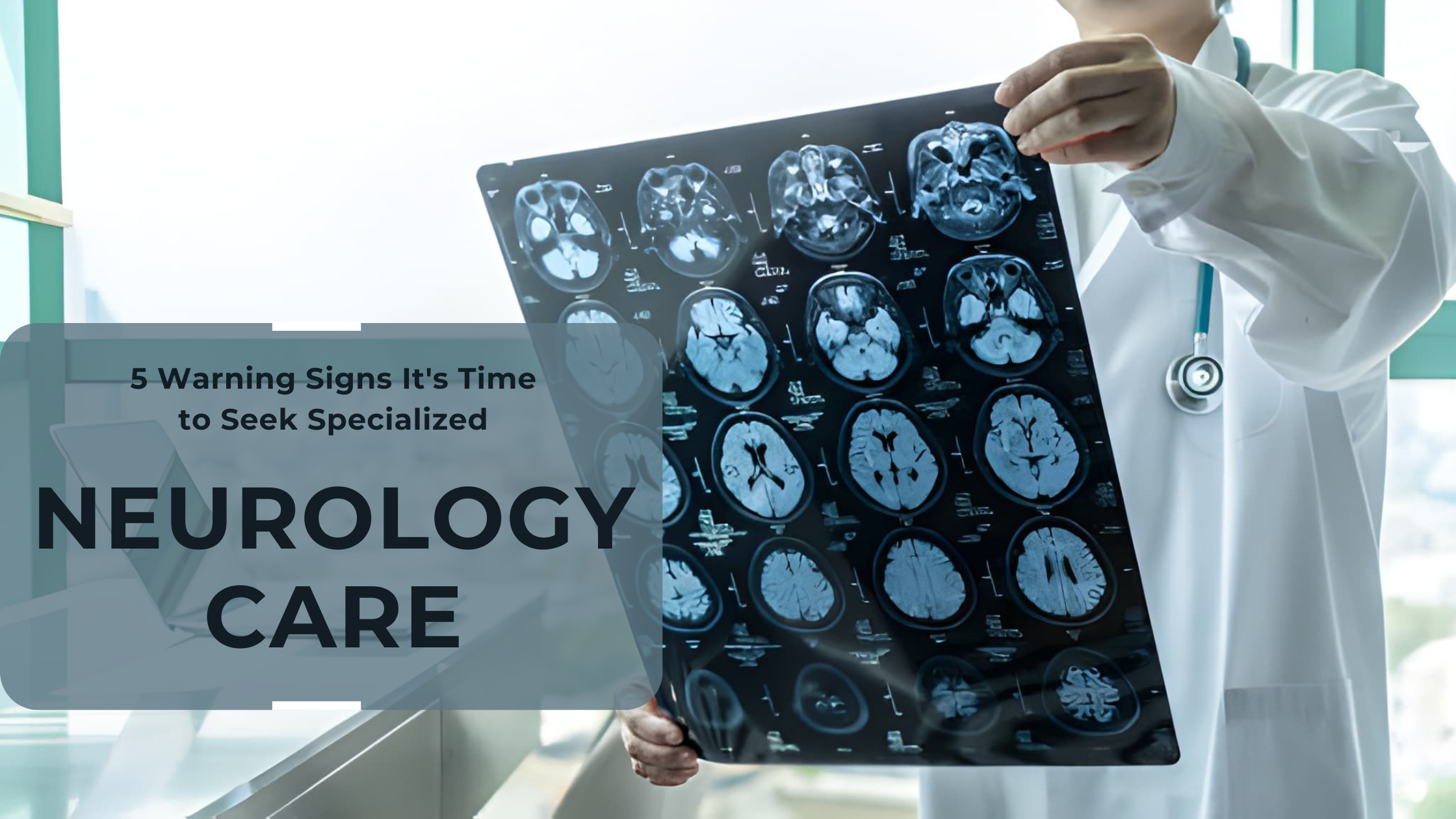
- MRI or CT scan (for structural brain and spine issues)
- Nerve conduction studies (for peripheral nerve conditions)
Most first visits don’t end with a scary diagnosis — they end with answers, a plan, or the reassurance that what you’re experiencing is manageable. Either way, you leave knowing more than you did walking in.
Frequently Asked Questions
Can I see a neurologist without a referral? It depends on your insurance plan. Many insurers require a referral from a primary care provider, while others allow you to self-refer to a specialist. Your primary care provider at Triangle Primary Care Associates can help facilitate the referral process quickly if needed.
What conditions does a neurologist treat? Neurologists treat a wide range of conditions including migraines, epilepsy, stroke, multiple sclerosis, Parkinson’s disease, peripheral neuropathy, Alzheimer’s disease, and more. If you’re searching for the latest treatment for neuropathy or looking for drugs for migraine headaches, a neurologist is the right place to start.
Is a neurologist different from a neurosurgeon? Yes. A neurologist diagnoses and treats neurological conditions using medications, therapies, and management strategies. A neurosurgeon performs surgery on the brain and spine. Many patients see a neurologist first, and only a small percentage ever need surgical intervention.
How do I know if my symptoms are neurological or anxiety-related? This is a genuinely common question — and a fair one, since anxiety can cause physical symptoms like tingling, dizziness, and headaches. A neurologist can help differentiate between the two through a proper exam and testing. You don’t need to guess on your own.
Don’t Wait for Symptoms to Worsen
Your brain controls everything — your movement, your memory, your senses, your ability to function. When it sends a signal, it’s worth listening.
The 5 signs above — persistent headaches, unexplained numbness or nerve pain, cognitive changes, seizures, and balance problems — are the body’s way of asking for help. And the earlier that help arrives, the better the outcomes tend to be.
If you’re experiencing any of these warning signs, don’t put it off. The team at Triangle Primary Care Associates can connect you with the specialized neurology care you need. Early diagnosis is your best defense — schedule a consultation today.